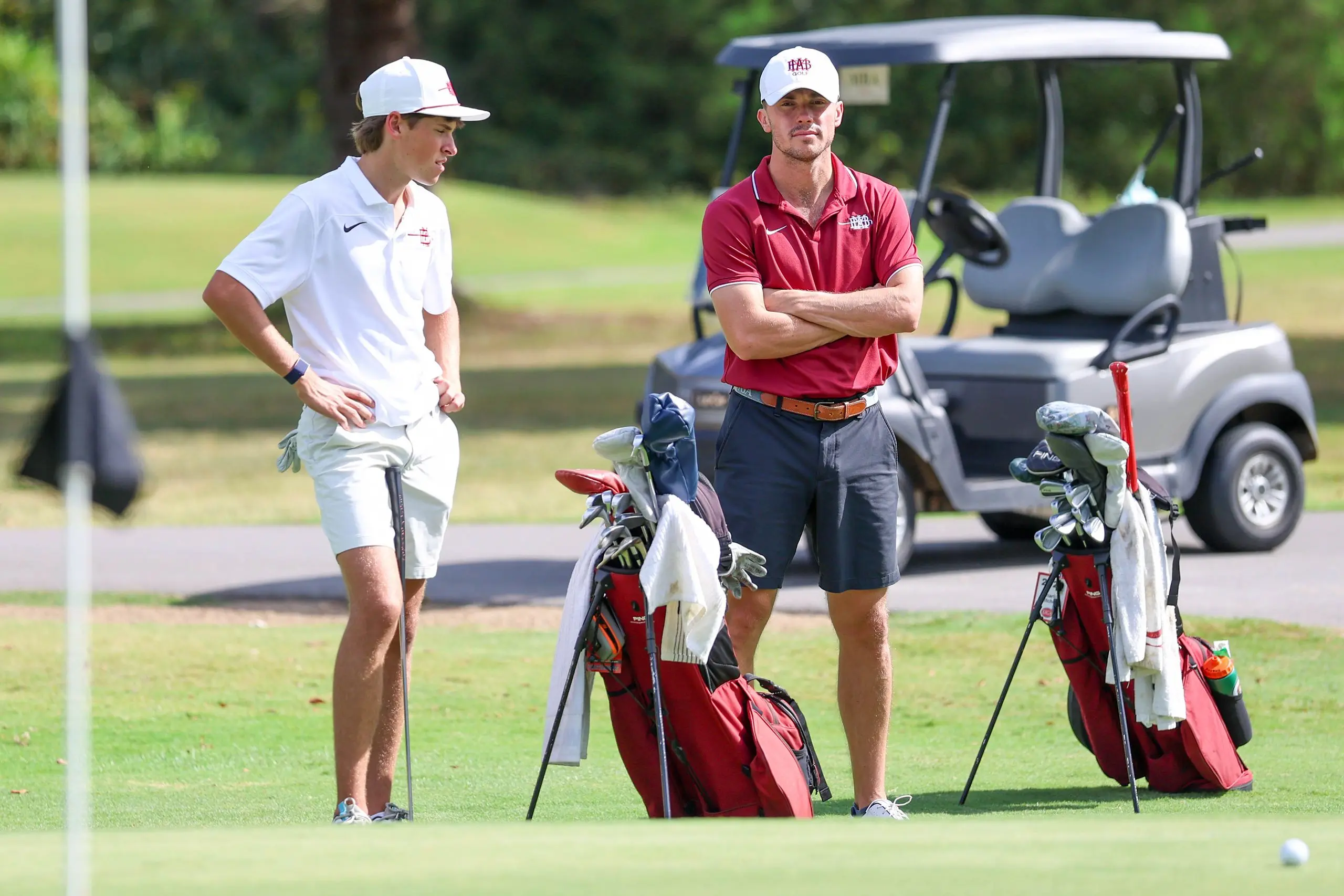

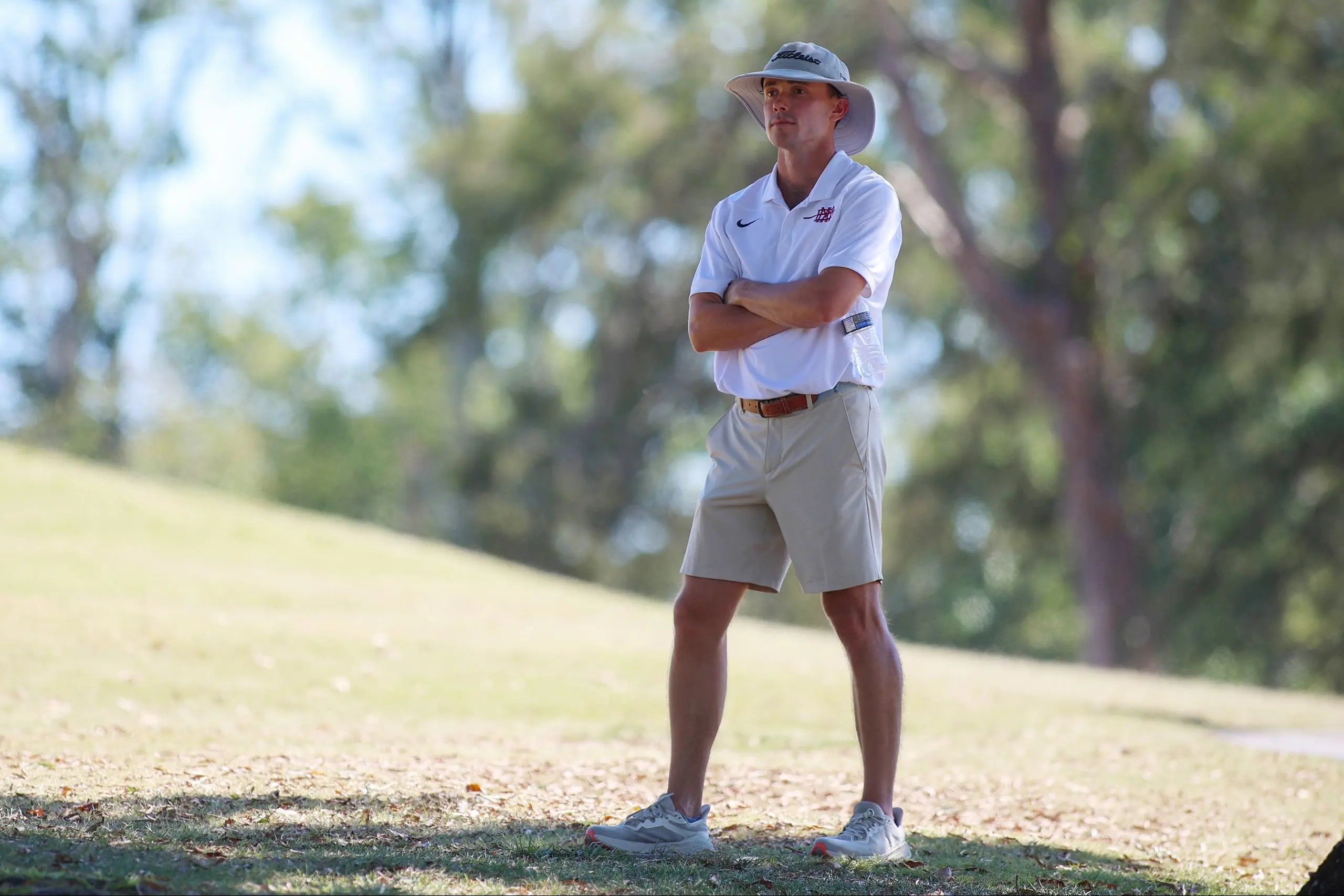
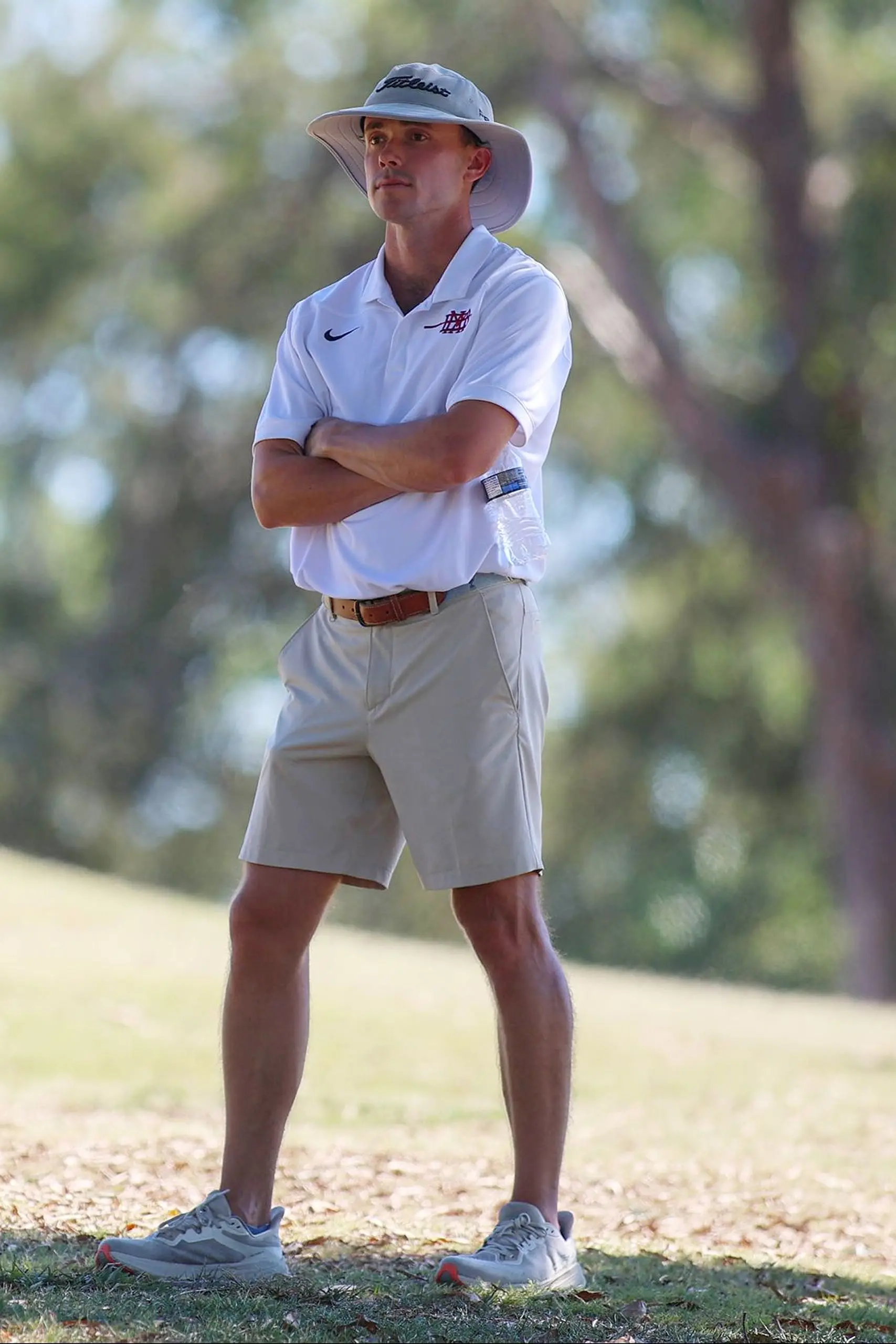
Geoffrey Holland ('15) has been back at MBA in a teaching and coaching role since 2022. Bringing the same youthful energy that once made him a standout student-athlete for the Big Red to the math classroom and the golf course, Holland parlayed his success leading MBA’s Junior School golf program into the varsity head coaching job in 2026. We caught up with Holland after his first season at the helm.
Q: What's it like being the head golf coach at your alma mater?
A: It’s truly a privilege. This school gave me so much as a student and an athlete, and now I get to give some of that back every day. Through golf, I hope to help shape young men who are true gentlemen and relentless competitors, both on and off the course.
Q: What will you remember most about your first season at the helm?
A: The state tournament, without a doubt. The atmosphere was unlike anything else all season. But what stuck with me most was coaching just one player instead of our usual five. Golf is such an individual sport, but watching my player go through that tournament without his teammates was eye-opening. All season long, those guys had been beside him: on the range, in practice, and on the bus rides. At state, that was gone, and he really felt it. We both did. He was proud to be there, but he missed his team. That told me a lot about the group we’re building. I plan on using that feeling as fuel to get the whole group there next year.
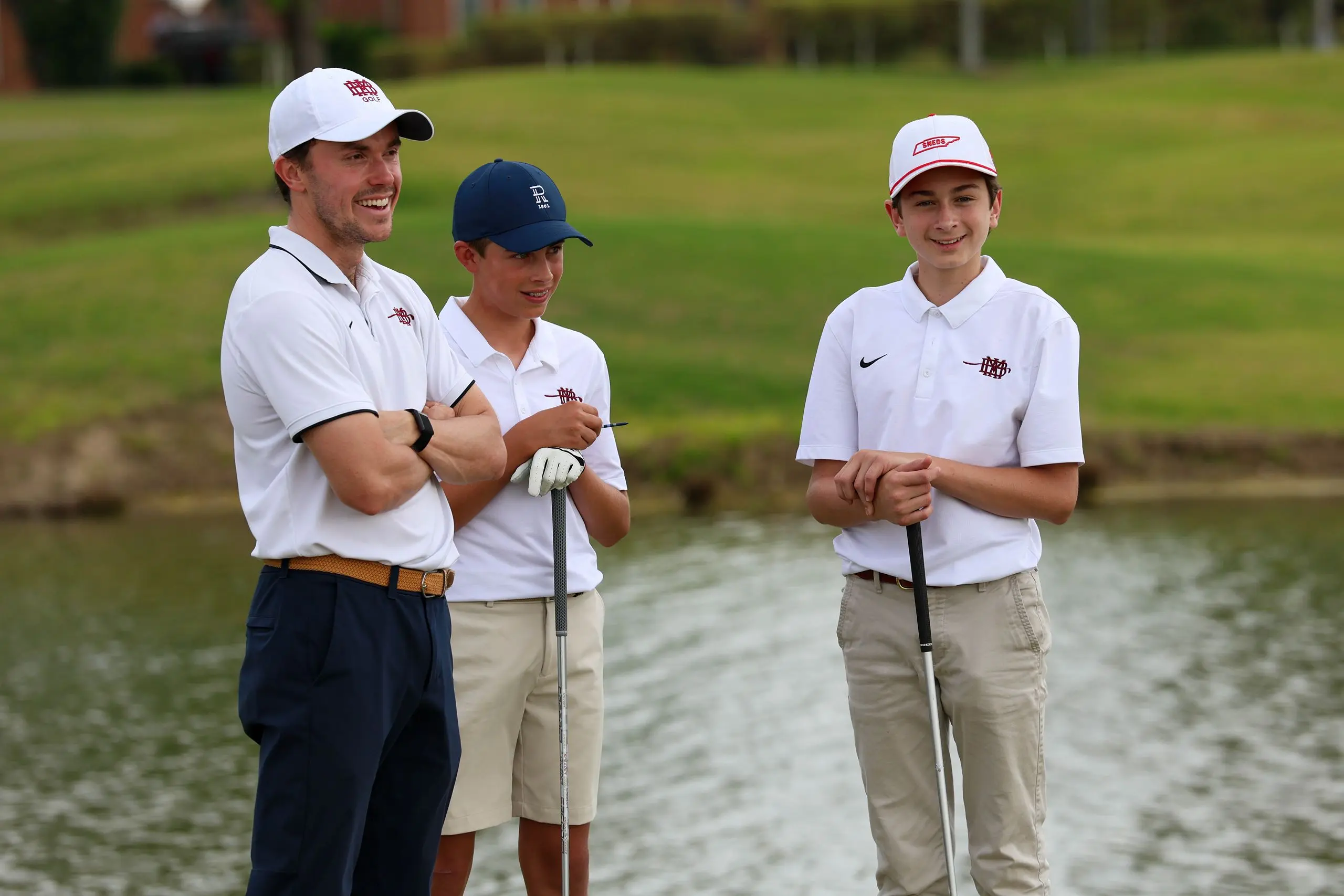
Q: How do you hope to use the lessons of year one as MBA Golf moves into the future?
A: There were a lot of positives this season. Our tryout process got better, our internal qualifying for the postseason got better, and our play at Harpeth Hills improved. Working with Dr. Ryan Bennett, MBA’s sport psychologist, also made a real difference in our team dynamics.
But in the end, advancing to state comes down to one high-pressure round: the Region tournament at Harpeth Hills. So a major priority for me next year is to recreate that kind of pressure as often as possible. I want our guys to play as many high-stakes rounds as we can before Region, so that when they get there, the moment feels familiar. I’m still working out exactly what that will look like, but it’s at the top of my mind heading into next season.
Q: What characteristics do you look for in an athlete?
A: The first thing I look for is character. How does a player act when no one is watching? Can I trust his scores? How does he treat his playing partners and the staff at the course? I want to know who he is as a person, and how I can help him grow in that area.
Next is resilience. Golf has a lot more bad breaks and bad shots than good ones, and how a player handles those moments matters far more than how he acts when everything’s going his way.
Third, I look for commitment to the process. Golf, like life, takes a lot of daily, routine work that isn’t glamorous. Is he as excited to practice or get in the weight room as he is to tee it up in a match for MBA?
Then there’s coachability. Can he take feedback on his decision-making without getting defensive? Does he understand that he doesn’t have all the answers, and that coaches and others can help him see things in a new way?
And finally, I want a competitor. Someone who fights to the very last putt, no matter what the scorecard says.
When you put all of that together, you get the kind of player I want representing MBA: someone you can trust, who bounces back, who does the work, who’s always learning, and who never quits. That’s what I mean when I say we’re building true gentlemen and fierce competitors. Talent might get a player noticed, but those traits will carry him much further, in golf and in life.
Q: How would you want somebody to describe the MBA Golf program under your direction?
A: If someone spent a day with our team, I’d want them to notice a few things. First, how hard these guys work, and how much they want it for each other. You’ll see a teammate finish his round and walk right back out to follow the guys still on the course. You’ll hear them cheering each other on, pushing each other in practice, and picking each other up after a rough day. Second, how they carry themselves. They respect the game, they respect their opponents, and they never take for granted what it means to wear MBA across their chest. And third, how they handle adversity. A bad round doesn’t break them. It fuels them.